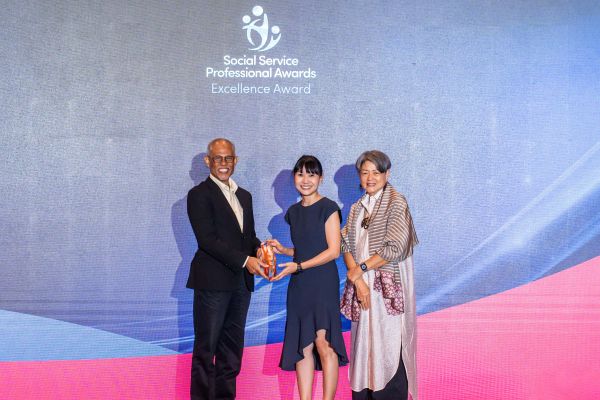
On 2 July 2025, SPD’s principal physiotherapist Pauline Koh received the inaugural Social Service Professional Awards – Excellence Award from Minister for Social and Family Development, Mr Masagos Zulkifli. Conferred by the Ministry of Social and Family Development, this award honours outstanding social service professionals who have made a significant difference in the lives of others.
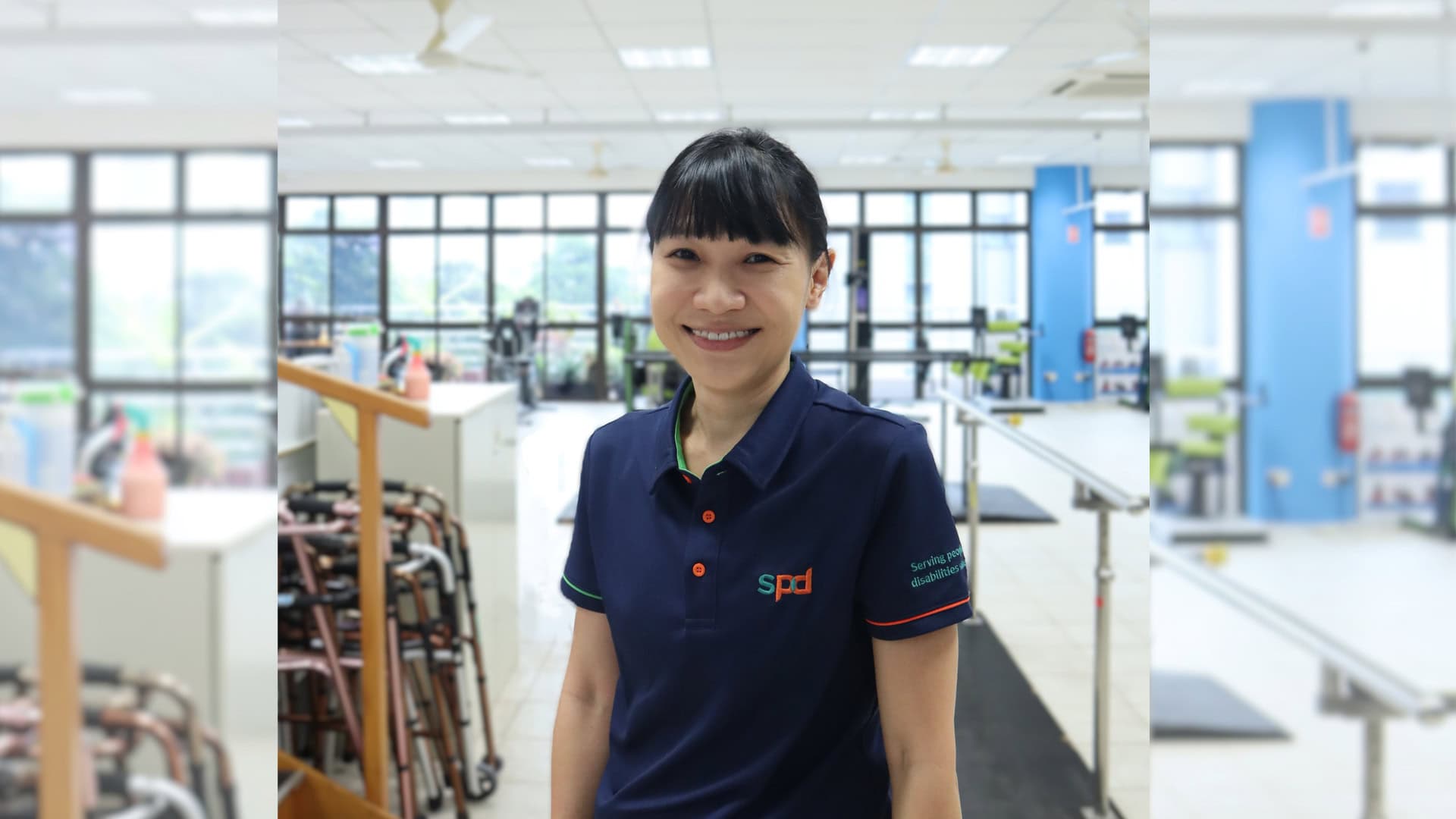
Pauline’s unwavering dedication and impact over 16 years exemplify the values of this recognition. A respected leader and compassionate practitioner, she is a key driving force behind SPD’s commitment to empowering individuals with disabilities.
UPDATES caught up with Pauline to learn more about her journey, the milestones that shaped her career, and what continues to inspire her.
UPDATES: Why did you choose to become a physiotherapist?
Pauline: I was interested in the healthcare profession since primary school. My dad, a trained first aider, inspired me with how he calmy managed minor injuries at home. That planted the seed. Later, as a student athlete, I became fascinated with exercise science, and physiotherapy seemed like a natural fit.
After graduating with a Bachelor of Physiotherapy in 2009, I began my career in a community hospital. I joined SPD in 2013 and was closely involved in the piloting of the Transition Programme for Employment in 2014, a community-based and inter-disciplinary return-to-work initiative. It helped individuals with acquired physical disabilities regain employment or education, which I found to be very impactful.
UPDATES: What motivates you to come to work every day?
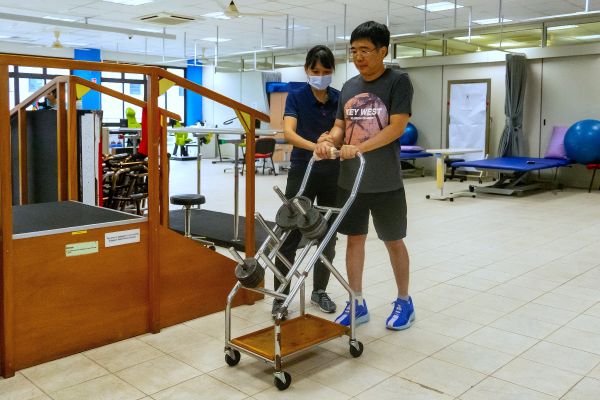
Pauline: I find the clinical aspect of my work to be very meaningful. I take pride in using my clinical knowledge and skills to improve the lives of others. I’ve also had the privilege of learning from many amazing mentors, peers and clients. These people encourage and inspire me to do better. As a physiotherapist, there‘re endless things to learn and this excites me.
Over time, I’ve also developed a strong interest in research, particularly in spinal cord injury (SCI) and stroke rehabilitation, as well as community integration. I’m grateful that SPD gives me the space to explore these areas in my work.
UPDATES: Looking back, what are some of the most memorable moments in your career?
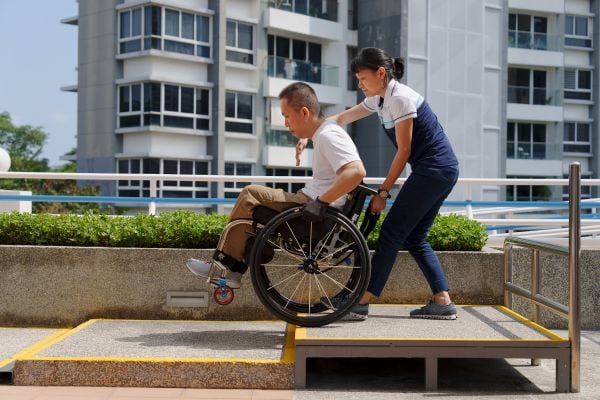
Pauline: Helping to pilot SPD’s Transition Programme to Employment, now known as Transition to Employment (TTE) programme, stands out as a career highlight. Through this experience, I learnt a lot from various subject matter experts in spinal cord injury rehabilitation and supported employment. TTE gave our team the opportunity to push boundaries in rehabilitation through initiatives such as swimming, job trials, community outings and self-management groups. It was, and still is, deeply rewarding to watch our clients return to work after acquiring their disability and/or graduate from the programme with increased engagement in activities that were meaningful to them. We collaborated with National University of Singapore to analyse TTE’s outcomes, and co-authored research papers in international journals.
Another milestone was co-developing the spinal cord injury self-management programme. I really loved how we co-created this with our clients. This project also allowed me to put what I had learnt during my post-graduate studies to practice and benefit our clients. I valued the opportunity to conduct and publish research on the outcomes. Although it was not an extensive study, I was still glad to contribute to the knowledge in this field of practice so others can build on it.
Finally, completing my post-graduate studies while working part-time was memorable. It broadened my perspectives of my role as a physiotherapist and profoundly shaped my practice. I became more intentional in translating knowledge into practice and applying pedagogical approaches in both clinical and supervisory settings. It made me more disciplined, focused, and reflective as a practitioner.
UPDATES: What are some challenges you face as a physiotherapist?
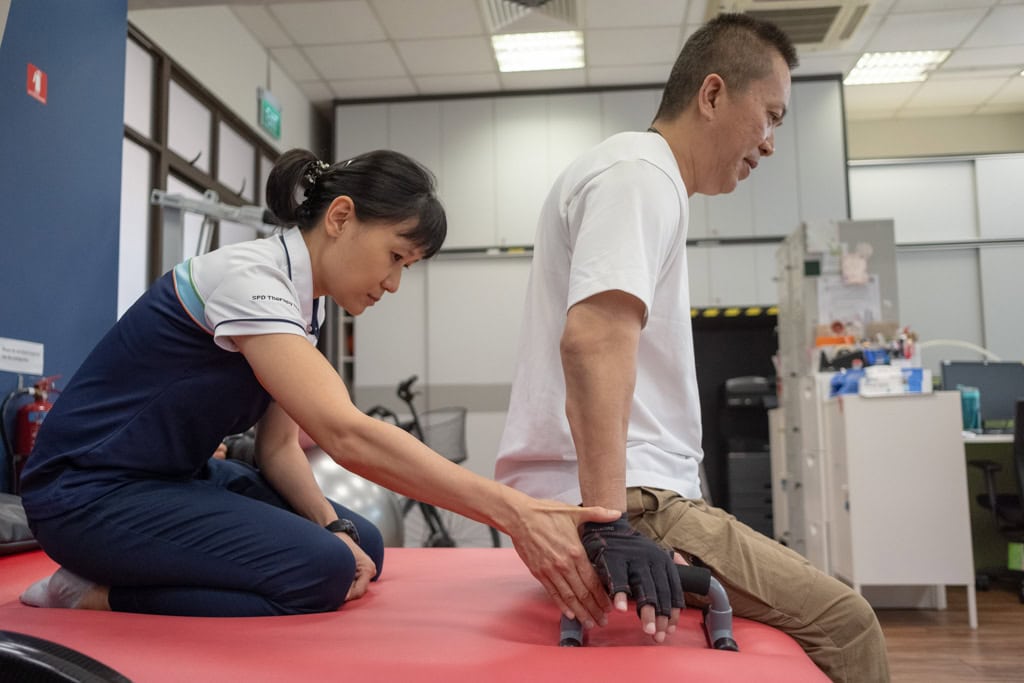
Pauline: I face various challenges. These range from taking on unfamiliar tasks with high degree of accountability, managing unexpected workload spikes, and handling “crises” and disruptions such as the pandemic. Despite the inconveniences, I am grateful that they help me to grow in resilience, self-efficacy and maturity.
UPDATES: What does winning this Excellence Award mean to you?
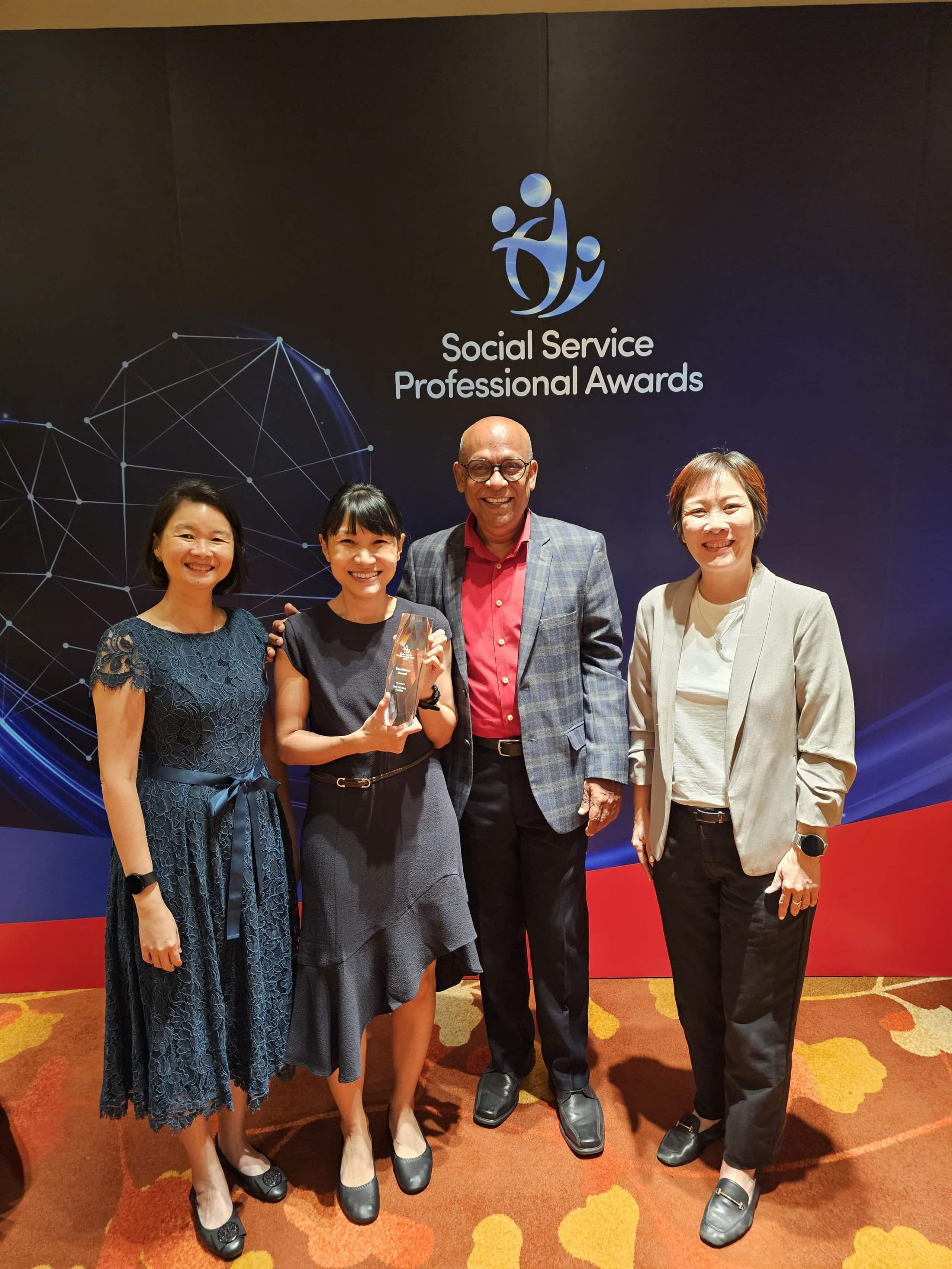
Pauline: It’s a step forward for the social service sector – a recognition of the good work we’ve done collectively in SPD. Most of my accomplishments would not have been possible without the support of many people around me. I hope this award will encourage others, and I’m excited for more SPD colleagues to be recognised in the future.
UPDATES: What are some tips or advice that you can share for those who would like to become or have just started their career as physiotherapists?
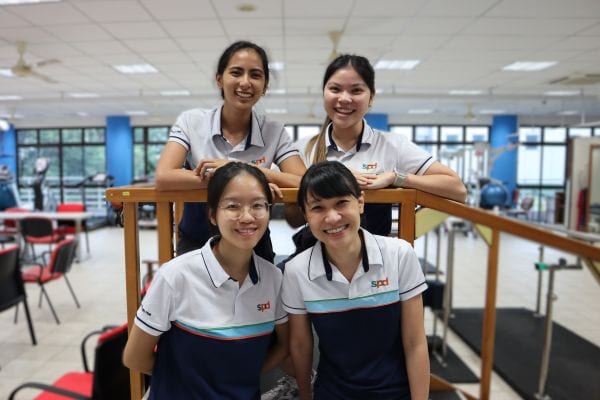
Pauline: Focus on honing your clinical competencies, and keep learning from people around you, including the clients. Strive to keep up with emerging evidence and best practices – don’t risk becoming irrelevant.
As a community therapist, work will likely entail uncertainty, constraints, and an ever-evolving scope of responsibilities. But wealso have social capital and countless opportunities for creativity and to create meaningful impact.
Pauline’s story is a reminder that excellence is not just about individual achievement, but about lifting others and shaping systems for good. Her passion, commitment and integrity have left a lasting mark – and will continue to inspire her colleagues at SPD, the generation of physiotherapists after her, and beyond.