


Parenting does not come with a manual. For many parents, this familiar saying resonates deeply. When children act out, be it refusing to listen, throwing a tantrum, or pushing boundary, parents are often left at their wits’ end. But growing research in child development offers a new perspective, highlighting positive discipline as a more compassionate and effective way to manage children’s behaviour1,2. In this article, psychologist Amanda Chew shares how positive discipline can lead to better outcomes for both parents and children.
What is positive discipline?
Positive discipline emphasises teaching over punishment. It is not about using fear, control, or indulgence to curb undesirable behaviour. Instead, it helps children understand the impact of their actions, take responsibility, and develop emotional and social skills2.
This approach relies on some key principles:
- Setting clear expectations
- Responding with empathy
- Being consistent
- Helping children learn from their mistakes
Is positive discipline the same as being permissive?
Positive discipline is often misunderstood as being too lenient or letting children “get away” with misbehaviour. In reality, it involves setting firm and consistent boundaries, while responding with empathy and respect. Children are held accountable, but in ways that teach rather than punish. The goal is not to avoid consequences, but to ensure those consequences help the child learn, not feel afraid or ashamed.
How is this different from harsh discipline?
Harsh discipline typically focuses on stopping behaviours immediately, often through yelling, threats, or physical consequences. While this may result in short-term obedience, it can also lead to fear, anxiety, and strained relationships. Research has shown that repeated exposure to punitive methods may impact a child’s emotional regulation and increase defiant or aggressive behaviours over time3, 4, 5, 6.
On the other hand, positive discipline takes a longer-term view. It seeks to understand the ‘why’ behind a child’s behaviour and teaches alternative ways to respond7. It also prioritises connection. When children feel safe and supported, they are more likely to cooperate and learn from guidance.
Why a positive approach matters?
Children are still learning how to manage their feelings, handle frustration, and navigate social expectations. They do not always have the words or self-regulation skills to express what they are going through. When adults respond in a calm and understanding way, children feel safe and are more open to learning.
Practical strategies for everyday challenges
1. Be clear and consistent with expectations
Children do best when they know what is expected. Set age-appropriate rules and explain them in simple terms. If a rule is broken, follow through with a consequence that is connected to the behaviour. When rules and consequences are applied consistently, children learn to trust boundaries and the adults who set them.
Natural and logical consequences can also turn mistakes into learning opportunities8. For example:
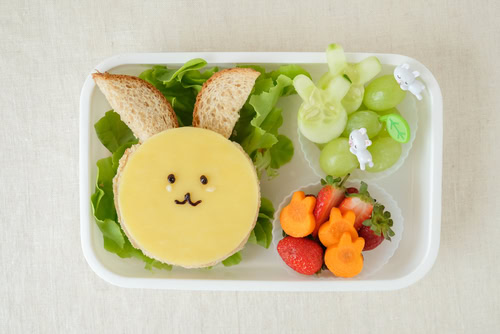 Photo credit: Shutterstock
| 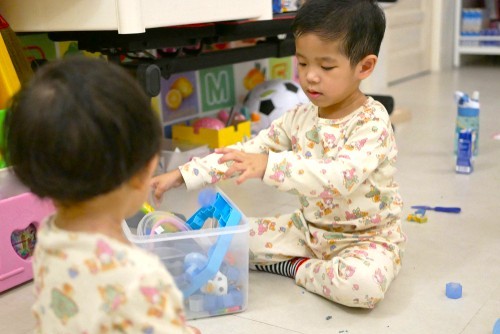 Photo credit: Shutterstock
|
These consequences help children understand the impact of their actions and encourage them to make better choices in future.
2. Support emotional regulation

Tantrums and outbursts are often signs of overwhelming emotions. Instead of reacting with anger, try to help your child calm down. A quiet space with familiar calming items (like a soft toy or drawing materials) can help. In public, finding a quiet corner to ride out the storm might work best. Once your child is calmer, revisit what happened and guide them towards a better way to respond next time.
3. Look for the message behind the behaviour

Often, what seems like “bad behaviour” is your child’s way of telling you something. Maybe they are tired, hungry, overstimulated, or feeling left out. If your child tends to act out when you are busy with their sibling, they may be seeking your attention. Noticing patterns can help you respond in a more supportive way like giving your child one-on-one time or praising them for expressing themselves appropriately.
4. Teach what to do instead
It is not enough to tell children what not to do. Show them what to do instead. For example, if your child screams when upset, teach them to use words like “I need help” or to show a visual cue.
Alternatively, when they are calm, guide them in coming up with their own solutions to try next time (e.g., referring to a to-do list as a reminder, taking turns, or choosing another toy while waiting). Practise these strategies when they are calm and praise them for their attempts. Over time, they will develop better ways to manage their emotions and communicate.
5. Stay calm and connected
Your tone matters. Children look to adults to learn how to respond to challenges. If you remain calm (e.g., by stepping aside to breathe and regulate yourself) when setting limits, it sends a powerful message that it is all right to take a break to calm down. This also shows them how self-regulation can be done. Let your child know that mistakes are part of learning and that you will still love them even when they mess up. This sense of security gives them the confidence to try again and do better.
Discipline is not about controlling behaviour7,9. It is about guiding your child to grow into a responsible and caring person. Every difficult moment is also a teaching moment. With patience, empathy, and consistency, you can support your child through the ups and downs, and grow alongside them in the process.
Discipline is not about controlling behaviour7,9. It is about guiding your child to grow into a responsible and caring person. Every difficult moment is also a teaching moment. With patience, empathy, and consistency, you can support your child through the ups and downs, and grow alongside them in the process.
References
1 Carroll, P. (2022). Effectiveness of positive discipline parenting program on parenting style, and child adaptive behavior. Child Psychiatry and Human Development, 53(6), 1349–1358. https://doi.org/10.1007/s10578-021-01201-x
2 Liu, J., Liu, X., & Ding, M. (2024). The impact of a positive discipline group intervention on parenting self-efficacy among mothers of young children. Frontiers in Public Health, 12, 1461435. https://doi.org/10.3389/fpubh.2024.1461435
3 Gershoff, E. T., & Grogan-Kaylor, A. (2016). Spanking and child outcomes: Old controversies and new meta-analyses. Journal of Family Psychology, 30(4), 453–469. https://doi.org/10.1037/fam0000191
4 Ward, K. P., Grogan-Kaylor, A., Ma, J., Pace, G. T., & Lee, S. (2023). Associations between 11 parental discipline behaviours and child outcomes across 60 countries. BMJ Open, 13(10), e058439–e058439. https://doi.org/10.1136/bmjopen-2021-058439
5 Wiggers, M., & Paas, F. (2022). Harsh physical discipline and externalizing behaviors in children: A systematic review. International Journal of Environmental Research and Public Health, 19(21), 14385. https://doi.org/10.3390/ijerph192114385
6 Zubizarreta, A., Calvete, E., & Hankin, B. L. (2019). Punitive Parenting Style and Psychological Problems in Childhood: The Moderating Role of Warmth and Temperament. Journal of Child and Family Studies, 28(1), 233–244. https://doi.org/10.1007/s10826-018-1258-2
7 University of Minnesota Extension & Children’s Hospitals and Clinics of Minnesota. (2009). Positive discipline: A guide for parents. https://www.childrensmn.org/images/family_resource_pdf/027121.pdf
8 Raising Children Network (Australia). (2024, December 12). Consequences: Positive behaviour strategy. https://raisingchildren.net.au/preschoolers/behaviour/rules-consequences/consequences
9 Sege, R. D., Siegel, B. S., AAP Council on Child Abuse and Neglect, AAP Committee on Psychosocial Aspects of Child and Family Health. (2018). Effective discipline to raise healthy children. Pediatrics, 142(6), e20183112. https://doi.org/10.1542/peds.2018-3112