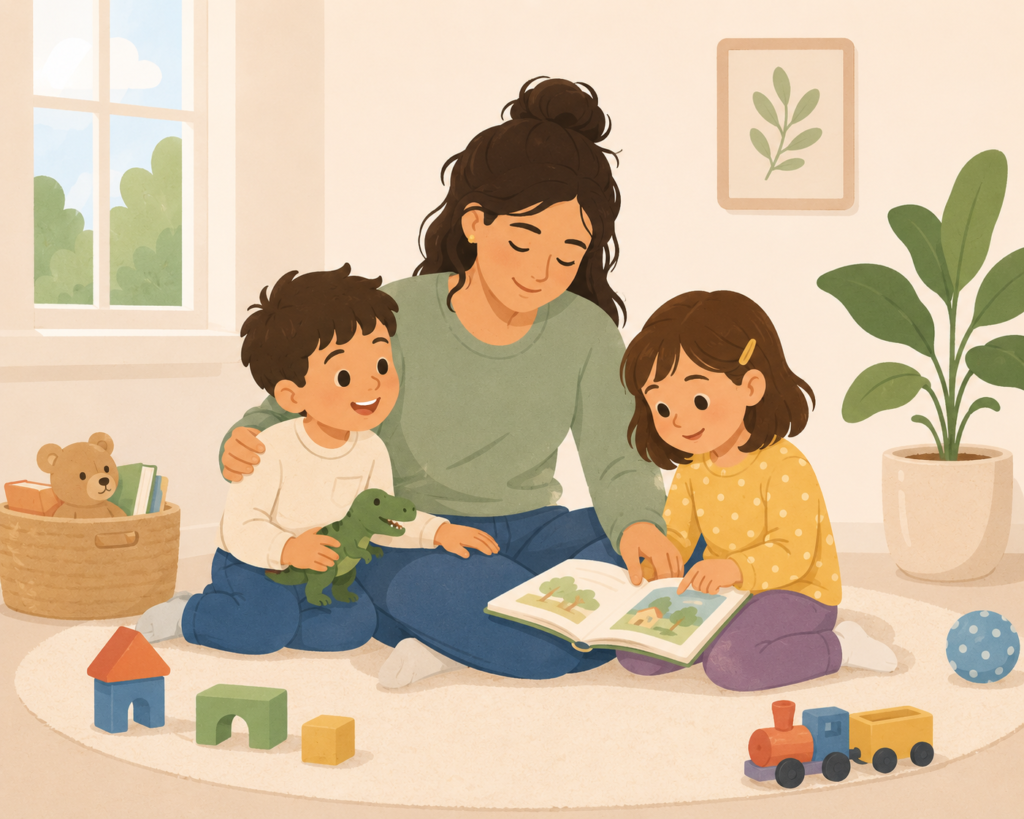
Helping children to develop impulse control
SPD’s occupational therapist Shakina Malik shares strategies that caregivers can use to help young children develop impulse control.
Helping children to develop impulse control Read More »
SPD’s occupational therapist Shakina Malik shares strategies that caregivers can use to help young children develop impulse control.
Helping children to develop impulse control Read More »
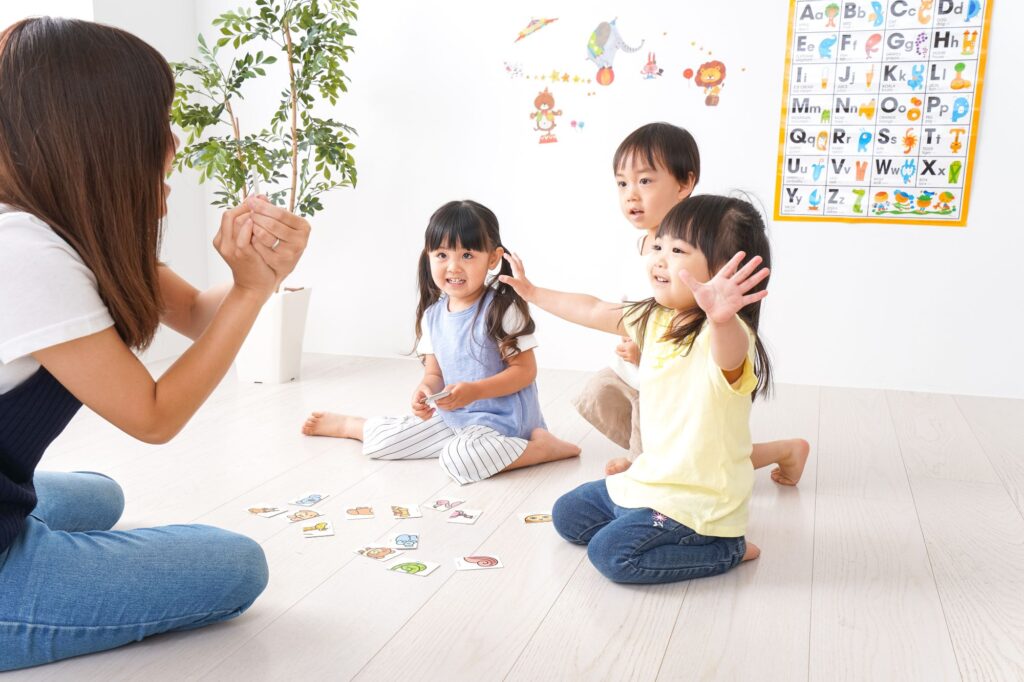
Here are some fun, everyday activities to build strong reading and writing skills.
Fun activities to build early literacy at home Read More »
Toys play a simple yet powerful role in language development. SPD senior speech therapist Haliliah Hashim offers tips on using toys to build language skills at home.
Your Child’s Language Starts with Toys Read More »
Mealtimes provide a valuable opportunity for connection and communication. SPD speech therapist Alex Ong shares strategies to make mealtimes a positive experience.
Simple strategies for happier mealtimes Read More »
SPD psychologist Amanda Chew shares how positive discipline can lead to better outcomes for both parents and children.
Positive, Not Permissive: Redefining discipline for today’s parents Read More »
SPD’s occupational therapist Jacintha Goh shares strategies on how parents can support their pre-schooler’s attention skills at home.
Building Attention Skills for Classroom Success Read More »
For caregivers, stress is often part of daily life. Signs like constant fatigue, sleep issues or anxiety could be our body’s way of telling us to pause and recharge.
Easing the Weight of Caregiving Stress Read More »
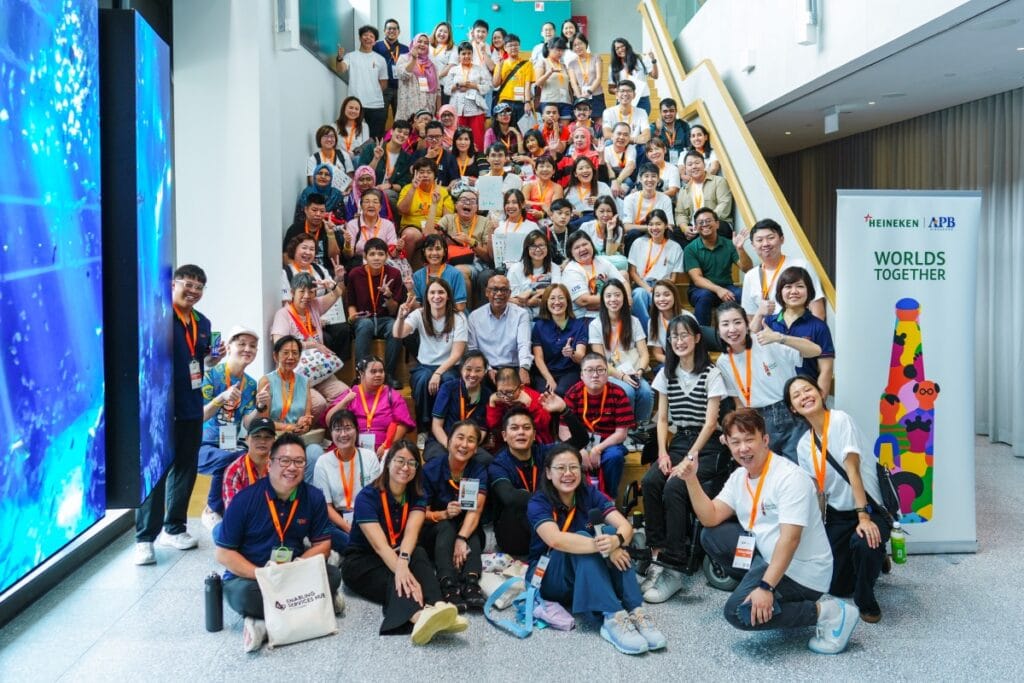
The second edition of the Asia Pacific Breweries Singapore Worlds Together series was designed to move beyond one-off volunteering to foster genuine connection and shared ownership.
Building Worlds Together: How SPD and APB Singapore are Co-creating Inclusion Read More »
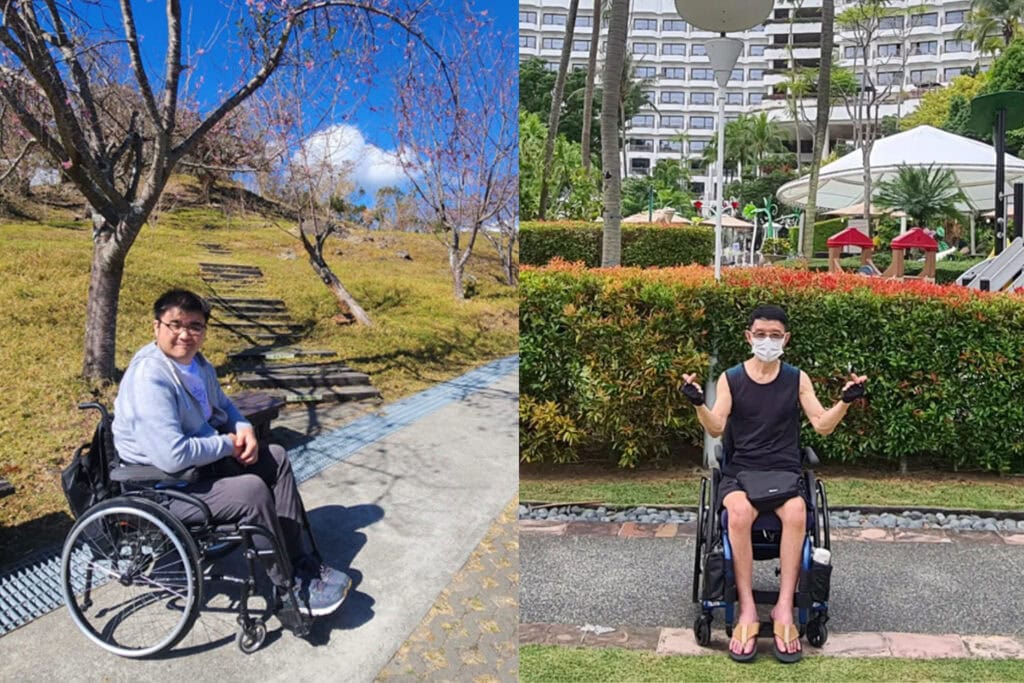
SPD inclusion champions Mr Kishon Chong and Mr Tan Hung Bak share their experience and tips on how they travel as wheelchair users.
Travel Tips for Wheelchair Users Read More »
Malocclusion can occur in both mild and severe forms in the general population. However, it is more common among individuals with disabilities, reaching as high as 95 per cent or more in children.