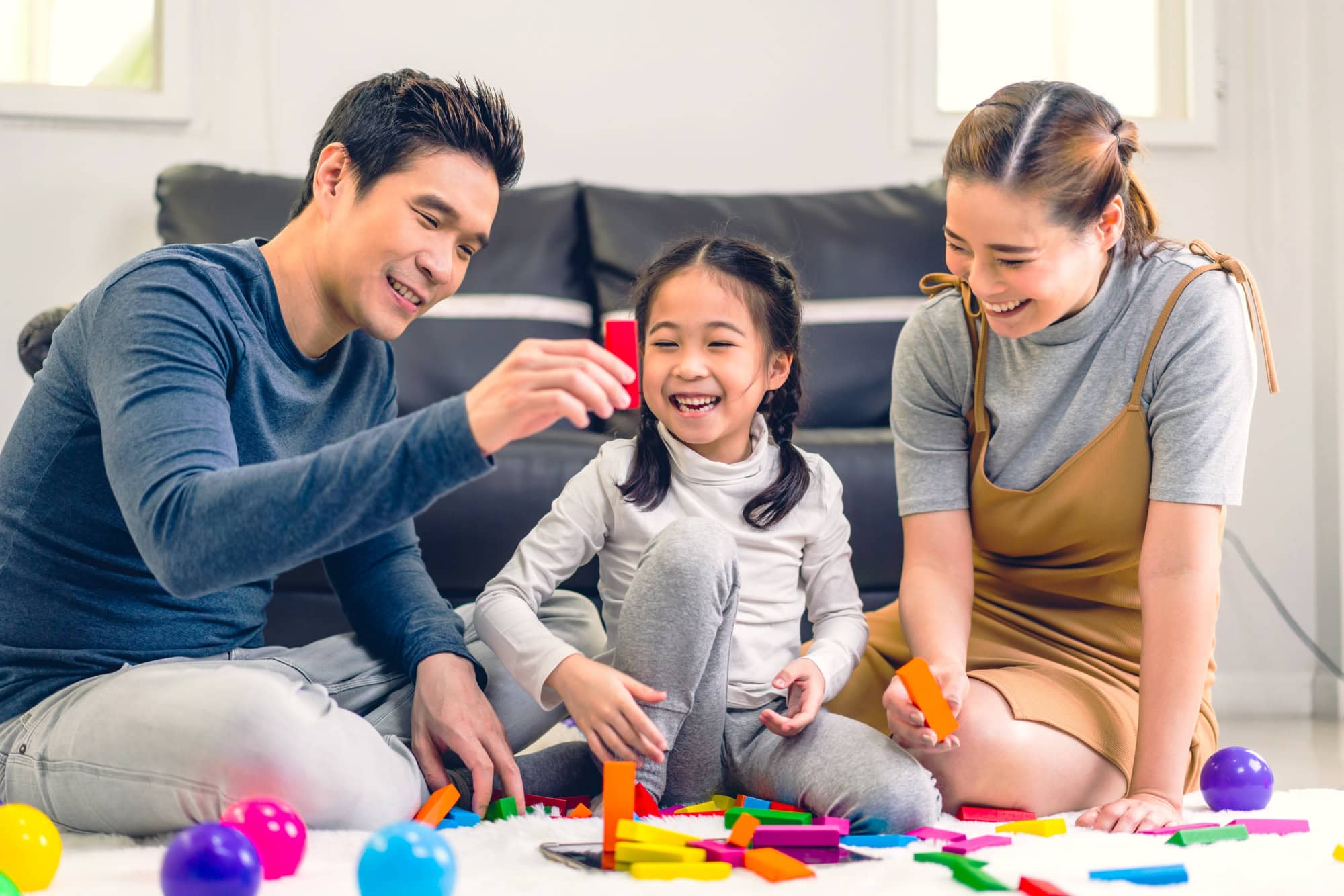

As parents and caregivers, we often look for ways to help our children learn language and communicate better. In Singapore, many families lean towards flashcards, posters, and worksheets to teach language. While these tools have their value, we may overlook the simple yet powerful role of toys in language development. SPD senior speech therapist Haliliah Hashim offers tips on using toys to build language skills at home.
Play is one of the most natural and effective ways for children to learn communication. Toys like cars, bubbles, stacking cups, dolls, animal figurines, and pretend food can become powerful tools that encourage communication and language development, especially when we play alongside our children.
How do toys build language?
Toys create chances for children to:
- Take turns – e.g. when they roll a ball back and forth with their parents or peers
- Make choices – e.g. choosing between two toys
- Request – e.g. reaching for bubbles and looking at you to signal for more
- Label – e.g. naming objects, colours, or actions
- Use short phrases – e.g. “car go!”, “more bubbles!”
When we respond to these moments by modelling simple words or phrases, we are giving our children the input they need to learn and eventually use these words themselves.
Choosing the Right Toys
You do not need expensive toys or electronic gadgets. In fact, the best toys for language development are often:
- Simple and open-ended: They can be played in many ways (e.g., blocks, animals)
- People-powered: Toys that are not battery operated encourage interaction, making playtime more interesting (e.g. puppets, cooking toys)
- Easy to hold and manipulate: Especially important for children with physical challenges (e.g. large textured balls, toys with big buttons)
Here are some common toys and how they can be used to build language:
| Toy | Words & concepts to model | Ways to play & talk |
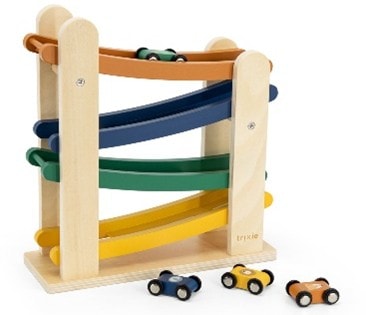
| Cars and ramps
Photo credit: Puttot | Go, stop, crash, fast, slow, up, down |
|
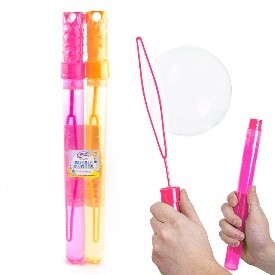
| Bubbles
Photo credit: Kidsstuffforless | More, pop, big, small, up, down
|
|
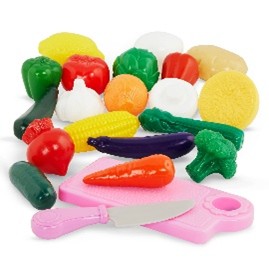
| Pretend food/kitchen
Photo credit: battattoys | Eat, drink, cut, cook, apple, egg, yummy |
|
Stacking cups/blocks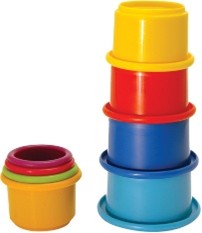 Photo credit: Beyondplay | Up, down, big, small, more, fall, crash
|
|
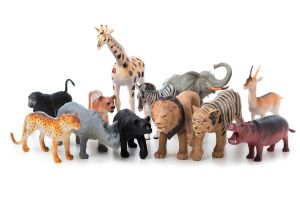
| Toy animals
Photo credit: Shutterstock | Animal names, sounds (moo, woof), big and small, walk, sleep, jump |
|
Adapting for different needs
- For children who are still learning to say words: Accept gestures, sounds, or pointing as communication. You can model the word for them (e.g. when child points to a car, you say “car!”).
- For children who love movement or touch: Use toys that provide movement or texture (e.g. squishy balls, crash mats, water play) to keep them engaged while modelling language.
- For children with physical challenges: Use lightweight toys that are easy to hold, position them within easy reach, and give extra time for responses.
Tips for play-based communication at home
- Get down to your child’s eye level during play to build connection and engagement
- Wait and watch: Give them a chance to initiate
- Say what they might be thinking (e.g. “Oh no, it fell down!”)
- Repeat and expand: If they say “car,” you say “car go!”
- Keep it fun and relaxed: The goal is connection, not correction
Final thoughts
Helping your child communicate and learn language does not always start with lessons or flashcards. Often, it starts on the floor, with a simple toy and a playful moment together. As we follow our child’s lead and tune in to their interests, we open the door to more communication and language, connection, and joy.
References
- American Speech-Language-Hearing Association (ASHA)
- Hanen Centre (2023). It Takes Two to Talk® resources