
Impulse control refers to the ability to pause and think before acting, especially when feeling upset, excited or frustrated. Impulse control takes time to develop. This is why young kids may blurt things out, snatch toys, or have trouble waiting for their turn. As they grow older, and with support, they learn to stay calm in situations and make better choices. SPD’s occupational therapist Shakina Malik shares strategies that caregivers can use to help young children develop impulse control.
Why impulse control is important
- Better decision making: Kids learn to pause and think before they act. This helps them make thoughtful choices.
- Improve social behaviour: Children with strong impulse control are less likely to interrupt, act aggressively or make impulsive mistakes.
- Emotional regulation: This skill allows children to resist the emotional outburst and calmly manage stress or disappointment.
Strategies to improve impulse control
The good news is that impulse control can be learned and strengthened over time. Here are several ways you can support your children’s growth in this area.
1. Model Self-Control
Children learn by watching adults. Let them see you managing your own emotions and making thoughtful decisions:
“I’m feeling frustrated, so I’m going to take a deep breath before I speak.”
2. Games and activities
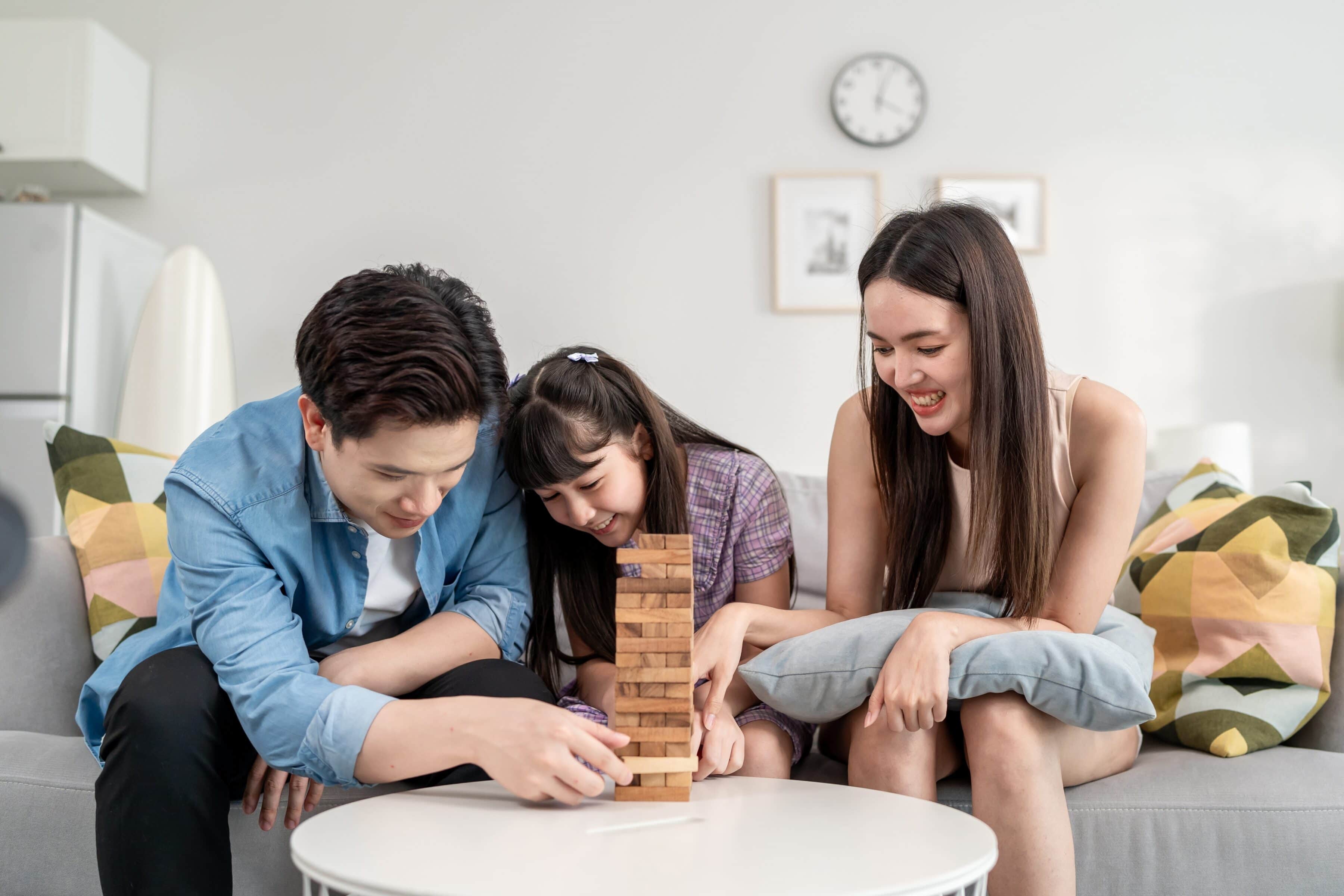
Simple games like Red Light and Green Light, Simon Says, or Freeze Dance are excellent for practising impulse control in a fun way. These games teach kids to stop, think, and respond to cues. Games that encourage waiting and taking turns such as card games and board games work well too.
3. Teach emotional vocabulary
Talking about feelings regularly would encourage children to reflect and respond with better self-control. When children can express with words like “I’m angry” or “I feel left out,” they are more likely to talk instead of resorting to yelling or hitting. For instance, a child might say: “I’m frustrated because I lost the game”, instead of hitting others when upset.
4. Use visuals and reminders
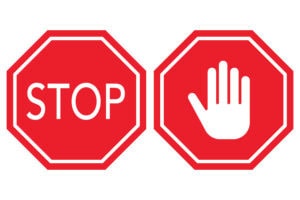
Younger children benefit from visual cues like “stop” signs, timers, or charts that remind them to pause and think.
5. Positive reinforcement
Catch your child demonstrating self-control and reward them for the behaviour.
- Use reward charts: stickers or a small token
- Use of words: praising the child (“I like how you waited patiently for your turn”)
6. Hold your thoughts
Strategies such as the talking stick where only the person with the stick may speak or encouraging children to raise their hand before speaking can help them learn to hold their thoughts and listen to others before speaking.
7. STOP- THINK- DO method
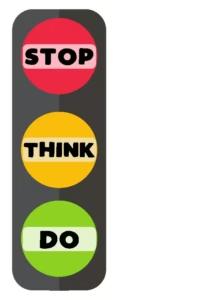
Teach children three simple steps that they can do when they feel the urge to react quickly:
- Stop – Pause before reacting (for instance, before snatching a toy from a friend)
- Think – Ask yourself: What am I feeling? What could happen next? (I want the toy but if I snatch it, my friend could get hurt)
- Do – Choose a helpful or safe action (I can ask him for the toy politely or wait for my turn to play with it)
Role-play this method often so they can apply it in real situations.
Impulse control is a skill that takes time, patience and practice to develop, just like any other skills. With consistent guidance and practice, your child will gradually learn to pause, think, and make better choices.
Cover photo credit: Shutterstock
References
- Casey, B. J., & Caudle, K. (2013). The teenage brain: Self-control. Current Directions in Psychological Science, 22(2), 82–87. https://doi.org/10.1177/0963721413475444
- Center on the Developing Child at Harvard University. (2011). Building the brain’s “air traffic control” system: How early experiences shape the development of executive function. https://developingchild.harvard.edu/resources/building-the-brains-air-traffic-control-system-how-early-experiences-shape-the-development-of-executive-function/
- Chen, H.-Y., Meng, L.-F., Yu, Y., Chen, C.-C., Hung, L.-Y., Lin, S.-C., & Chi, H.-J. (2021). Developmental traits of impulse control behavior in school children under controlled attention, motor function, and perception. Children, 8(10), Article 922. https://doi.org/10.3390/children8100922
- Diamond, A. (2013). Executive functions. Annual Review of Psychology, 64, 135–168. https://doi.org/10.1146/annurev-psych-113011-143750
- Emily. (2025, January 30). 21 must try impulse control activities for kids that actually work. Bonded By Family. https://bondedbyfamily.com/21-must-try-impulse-control-activities-for-kids-that-actually-work/
- Good Health. (2024, June 4). 10 fun impulse control activities for kids: Building self-regulation skills. Good Health Psychology. https://goodhealthpsych.com/blog/10-fun-impulse-control-activities-for-kids-building-self-regulation-skills/